Pressure Redistribution in Weightlifting Glove Palms Limits Callus Development During Prolonged Lifting
Alex Griffin · Oct 8, 2026
Pressure Redistribution in Weightlifting Glove Palms Limits Callus Development During Prolonged Lifting
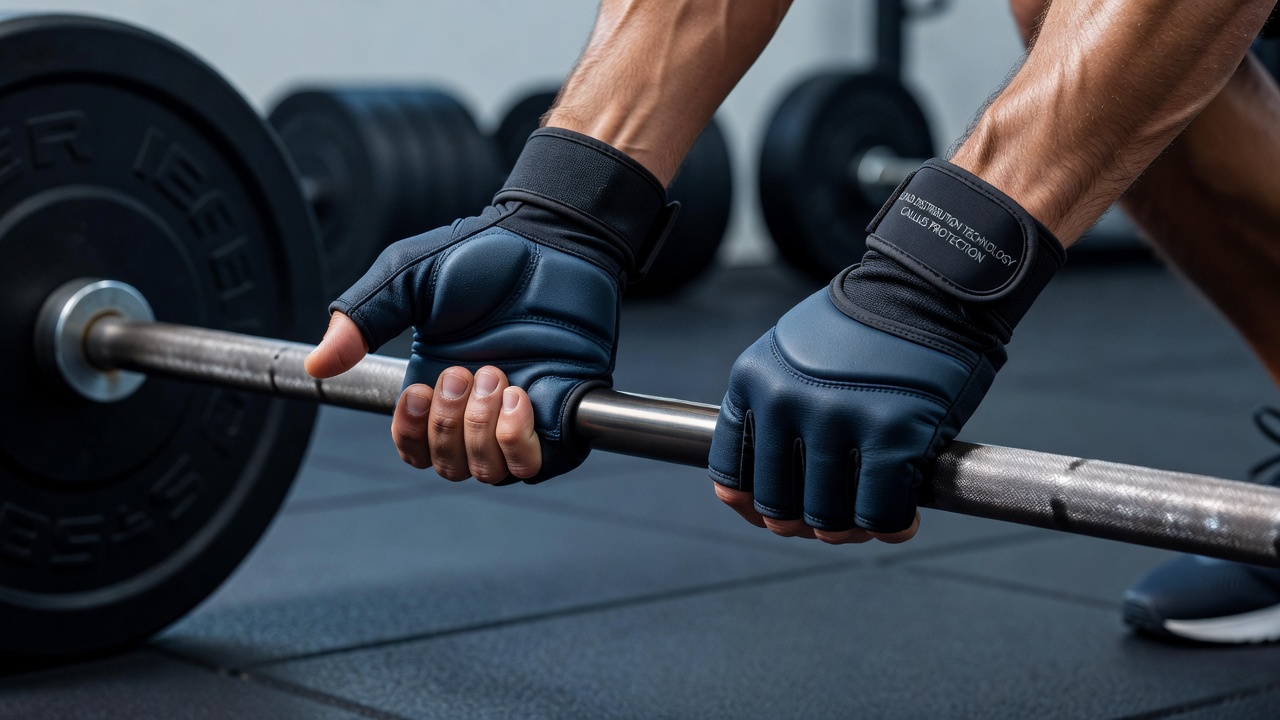
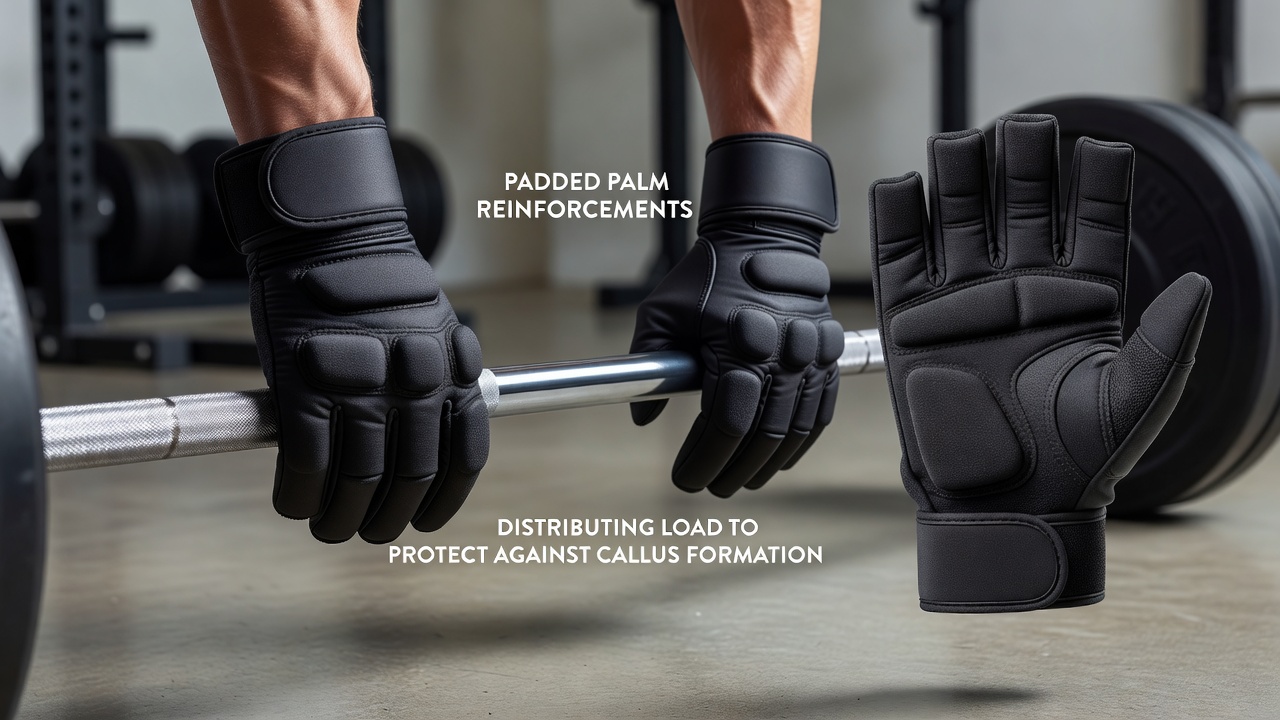
Weightlifting gloves incorporate padded palm reinforcements that spread applied forces across a wider surface area, which reduces localized pressure points where calluses typically develop from repeated barbell or dumbbell contact. These reinforcements often consist of multiple layers including gel inserts, closed-cell foam, or synthetic leather overlays that compress under load while maintaining structural integrity throughout extended training blocks.
Mechanics of Load Distribution in Glove Construction
Engineers design palm padding to transfer compressive forces laterally rather than allowing them to concentrate directly beneath the bar, and this process begins when the hand grips the implement because the padding deforms slightly to create a broader contact patch. Materials such as viscoelastic polymers respond differently under varying loads, while stiffer outer shells prevent excessive compression that could lead to loss of grip security. Data from biomechanical assessments indicate that properly calibrated padding reduces peak pressure by 25 to 40 percent compared with bare-hand gripping during sets exceeding 60 minutes.
Callus formation occurs when repeated friction and shear stress trigger keratinocyte proliferation in the epidermis, yet padded reinforcements interrupt this cycle by minimizing the intensity of those mechanical stimuli at any single point. Studies conducted at institutions in Australia and Canada have tracked athletes over multi-week training cycles and found measurable reductions in callus thickness when participants used gloves with distributed padding versus standard models lacking such features.
Material Choices and Their Performance Characteristics
Manufacturers select padding densities based on the demands of specific lifting disciplines, with higher-density foams favored for powerlifting movements that involve heavy static holds and lower-density gels preferred for Olympic lifting where dynamic repositioning occurs frequently. Layered constructions combine a soft inner cushion that conforms to the palm with a more rigid outer surface that maintains bar contact without folding, and this combination allows the glove to handle both sustained pressure and rapid directional changes without compromising protection.
As of October 2026, several European research groups have published findings on advanced composite padding that integrates phase-change materials capable of dissipating heat generated during long sessions, which further supports tissue integrity by preventing the softening of skin that can accelerate callus buildup. These developments build on earlier work from North American laboratories that established baseline pressure-mapping protocols now used industry-wide.
Application During Extended Strength Sessions
Extended training periods increase cumulative exposure to repetitive stress, and observers note that athletes performing multiple exercises in sequence experience the greatest benefit from padding because fatigue often leads to altered grip mechanics that concentrate force unevenly. The padding maintains consistent distribution even as grip strength declines, which prevents the formation of new pressure hotspots that would otherwise emerge in later sets.
Research from the American College of Sports Medicine has documented that individuals completing sessions lasting 90 minutes or longer show statistically significant differences in skin adaptation patterns when using reinforced gloves compared with those relying on chalk alone. The protective effect appears most pronounced in movements involving mixed grip orientations or bars with aggressive knurling that would otherwise accelerate epidermal thickening.
Integration With Training Variables and Equipment
Coaches adjust programming around glove selection because certain exercises generate higher shear forces that benefit from thicker padding profiles, while others require thinner constructions to preserve tactile feedback for precise bar placement. Training logs from competitive lifters reveal that consistent use of load-distributing gloves correlates with fewer interruptions from skin-related issues during high-volume phases, allowing uninterrupted progression toward strength targets.
Industry reports from organizations tracking equipment standards across multiple continents highlight ongoing refinements in stitching patterns and padding placement that align with anatomical pressure maps derived from large athlete cohorts. These refinements ensure that reinforcement zones correspond to the actual contact areas used in common lifts rather than applying uniform coverage that adds unnecessary bulk.
Conclusion
Padded palm reinforcements function through deliberate material layering and strategic placement that redistributes forces away from concentrated contact zones, thereby limiting the mechanical triggers responsible for callus formation. Evidence from multiple research centers demonstrates measurable reductions in pressure peaks and skin adaptation markers when these design elements are present, particularly during training durations that exceed typical single-exercise sets. Continued material advancements and pressure-mapping refinements support ongoing optimization of these protective features across diverse strength disciplines.